
Disclaimer: This page is an independent educational resource and is not affiliated with or operated by any official organization or service.
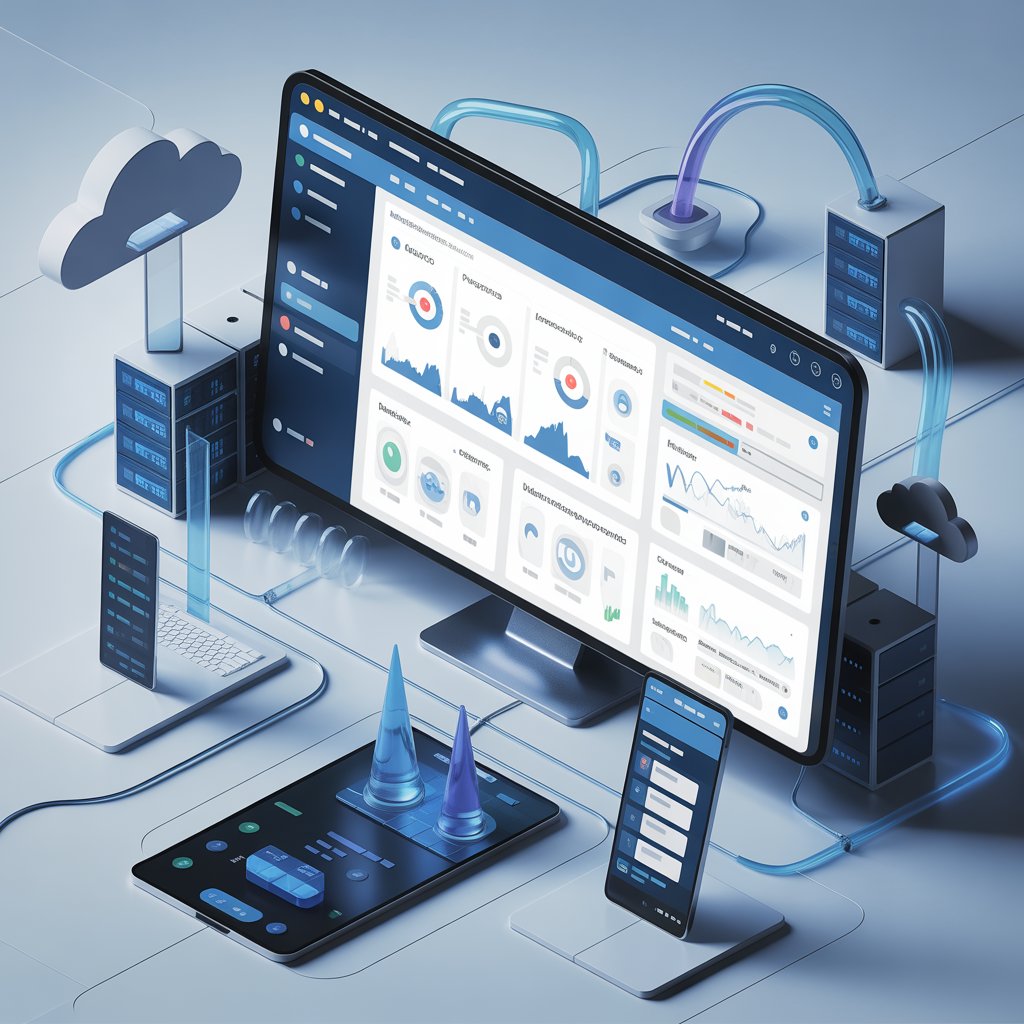
Employee Central is frequently examined as a structured content domain within enterprise platform ecosystems. In corporate portal contexts, it represents a defined segment of internal systems architecture that organizes workforce-related informational categories. This overview focuses on the types of structured content domains typically associated with Employee Central inside digital platform environments.
Employee Central as a Structured Content Domain
Enterprise digital platforms divide internal systems into logical content domains. Employee Central is commonly structured as one such domain, aligned with system architecture models that separate informational categories into standardized segments.
Typical domain characteristics include:
- Centralized record classification
- Structured attribute grouping
- Defined data categories
- Segmented informational layers
- Integration points with other enterprise platform modules
These domain properties ensure that Employee Central remains integrated within corporate portal ecosystems without overlapping unrelated structural layers.
Content Categories Within Employee Central Structures
Within enterprise platform environments, structured domains often include categorized informational groupings. Employee Central typically reflects clearly defined content segmentation.
Examples of structural grouping principles include:
- Core identification attributes
- Organizational hierarchy alignment
- Status-based classification
- Temporal data structuring
- Structural role mapping
These categories support digital platform coherence while maintaining alignment with broader internal systems design principles.
Employee Central and Internal Systems Segmentation
Internal systems depend on segmentation to maintain structural integrity. Employee Central environments are frequently segmented to prevent data fragmentation across enterprise platform components.
Segmentation models may include:
- Modular compartmentalization
- Layer-based separation
- Structured data boundaries
- Governance-aligned partitions
Through segmentation, corporate portal ecosystems maintain architectural clarity. Employee Central contributes to this clarity by adhering to structured internal systems frameworks.
Integration Across Enterprise Platform Layers
Content domains within digital platforms rarely operate independently. Employee Central typically integrates with other corporate portal components through defined system architecture channels.
Integration alignment often involves:
- Structured data synchronization
- Schema compatibility standards
- Metadata alignment rules
- Cross-domain reference mapping
Such integration preserves enterprise platform continuity while maintaining structured internal systems organization.
Summary of Structural Content Domains
Employee Central can be understood as a structured content domain embedded within enterprise digital platforms. Its categorized architecture, segmentation logic, and integration alignment reinforce corporate portal coherence. The focus remains on structural organization rather than operational processes.